Seals help scientists get to the bottom of Antarctic changes
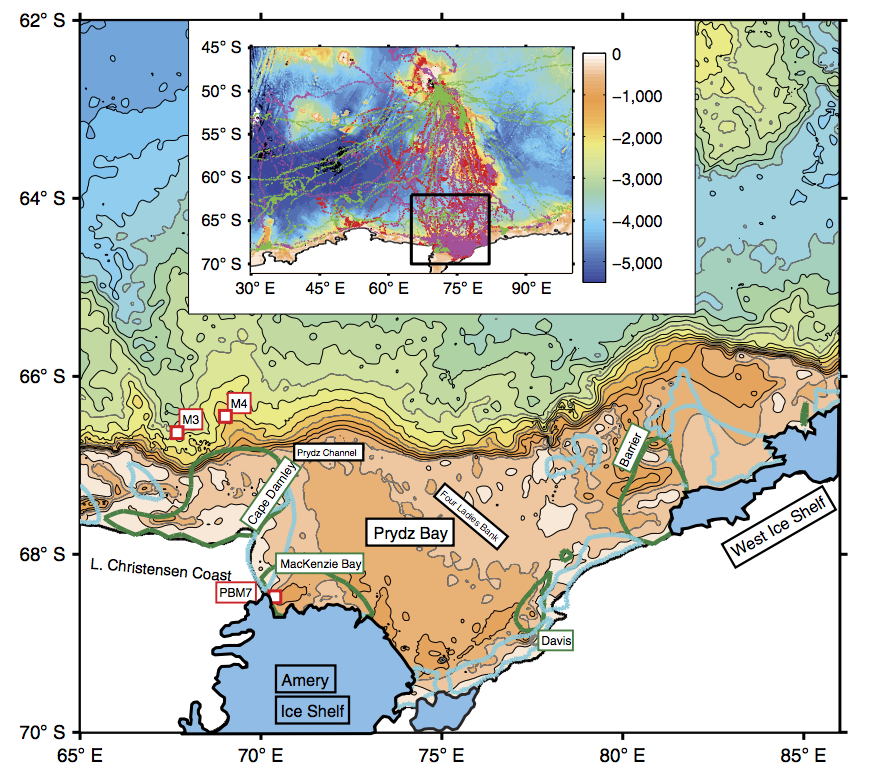
Elephant seals in the Southern Ocean are helping scientists discover how melting Antarctic ice is affecting the oceans.Using one of the more ingenious methods of data collection, the researchers mount tiny instruments onto the back of seals. As the seals swim and dive, they collect information about the temperature and saltiness of the seawater, reaching areas not easily accessible to scientists.The seal data shows that the flow of water from melting Antarctic ice shelves is making the surface water around East Antarctica less salty, the new study says.This is slowing the formation of “bottom water” – very cold, salty water that sinks all the way to the seabed – potentially affecting the conveyor system that carries heat around the world’s oceans.With ice shelves melting as global temperatures rise, this could see this bottom water formation slow down even more in future, the researchers say.§ Ice factories
Bottom waterresearchers have identifiedNature Communications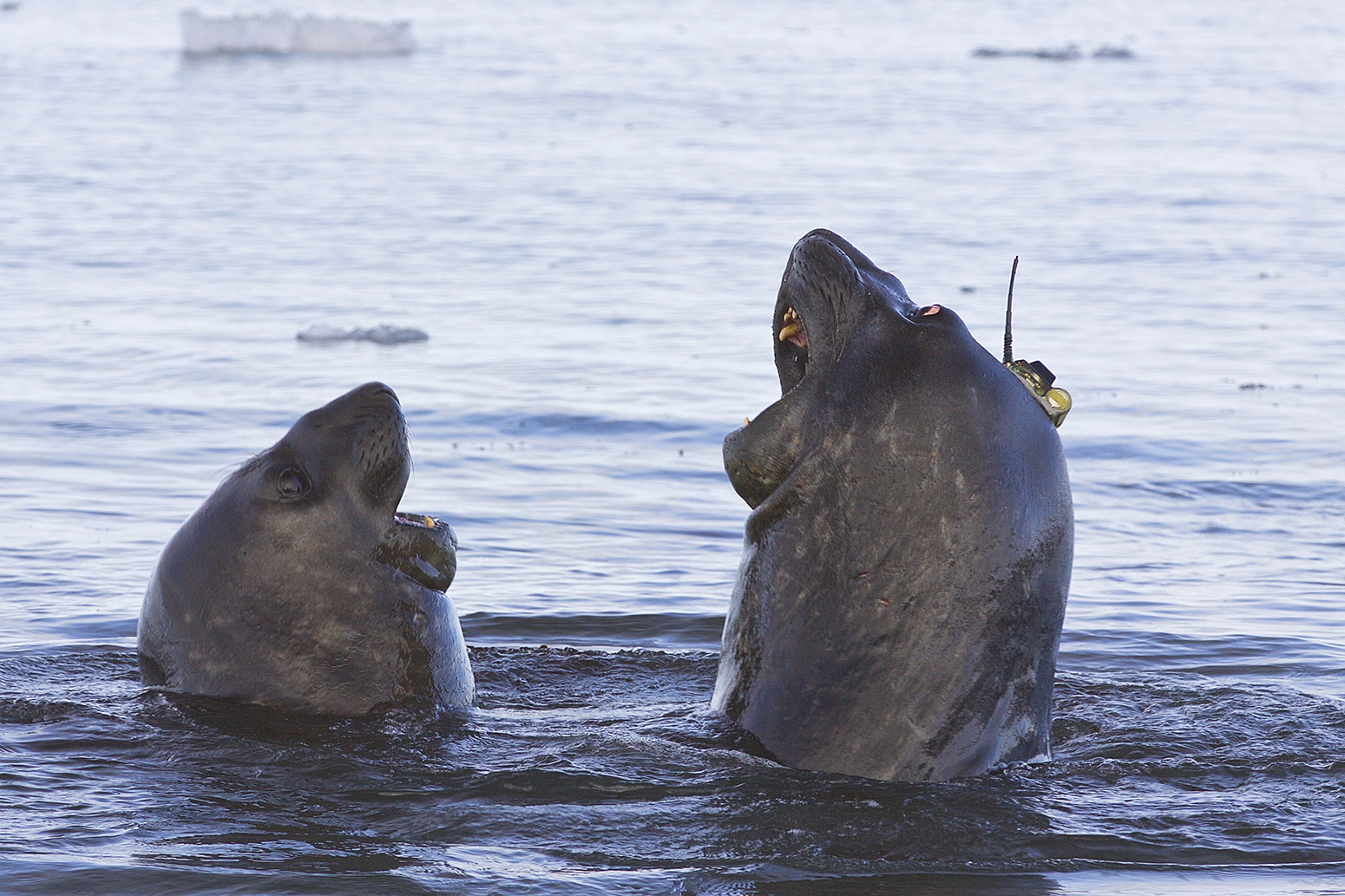
§ ‘Already compromised’
“Given the growing number of reports of accelerating and irreversible mass loss from Antarctica’s major ice sheets… it is likely that Antarctica’s AABW production is already compromised and will decrease further into the future.”
Dr Laura Herraiz-BorregueroNational Oceanography CentreUniversity of Southamptoninitiates“This slowdown could affect the carbon cycle – how much CO2 is stored and released [by the oceans] – and heat transport around the globe, which ultimately can affect the climate.”
§ Instrumental seals
robotic underwater gliders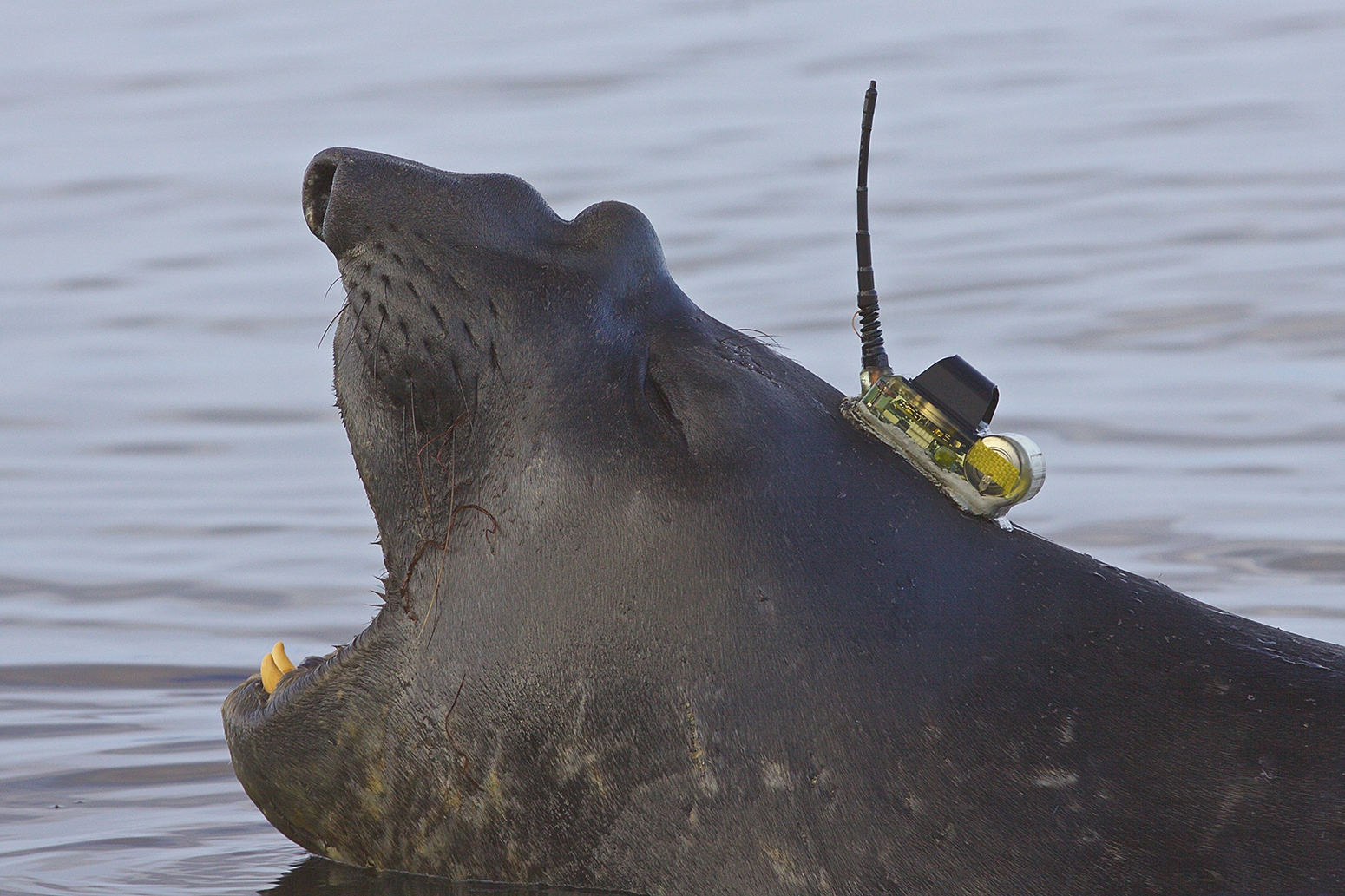
“There is a strict control on how seals are handled to avoid any harm or interfere with their normal life. The instrument is glued to the skin of the seal, once it has been sedated. The skin moults every year and the instrument falls off – if it has not been recovered already.”
“You cannot choose or tell a seal where to go to or how often to visit some regions, or to dive all the way to the bottom of the ocean.”
Article information
Williams, G. D. et al. (2016) The suppression of Antarctic bottom water formation by melting ice shelves in Prydz Bay, Nature Communications, doi:10.1038/ncomms12577