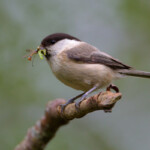
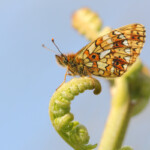
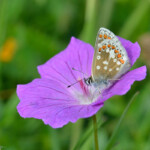
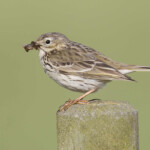
In the UK, rising temperatures are making life increasingly uncomfortable for species of wildlife better adapted to cooler climes. A new study offers the first compelling evidence that how we use land is exacerbating the vulnerability of some popular bird and butterfly species to climate change.The research is a joint project by researchers at the University of Reading, the NERC Centre for Ecology and Hydrology, the British Trust for Ornithology, Butterfly Conservation and Natural England and is published today in the journal Global Change Biology.
“Warm associated species are those that occur mainly in the warmer locations of Europe and, conversely, cold-associated species are likely to be restricted to more northerly countries and upland areas.”
per se
“Butterflies are thermophilic insects and there are relatively few species in high-latitude countries such as England for which the climate is yet too warm.”
Most bird and butterfly species prefer either warm or cold conditions. As lead author on the new research, from the University of Reading, tells Carbon Brief:Over time, studies have shown that the proportion of warm-weather species within the UK’s bird and butterfly populations is increasing, while the proportion of cold-weather species is decreasing.Other scientists have interpreted this as bird and butterfly populations keeping pace with climate change by favouring species that can best tolerate warmer conditions. But the new study says this overall pattern masks much more subtle changes going on.Using data from the UK Butterfly Monitoring Scheme and the Commons Birds Census, the researchers analysed 114 bird and 63 butterfly species at 613 sites over the past 30 years.The authors found that both warm and cold-weather bird species have declined in total abundance and species richness over the past three decades. Cold-weather species have seen numbers drop much faster in that time, however.In other words, the growing proportion of warm-weather birds over the past 30 years is less to do with an increase in those species and is more being driven by the loss of cold-weather species, including extinctions in some sites. This suggests a more pessimistic outlook for Britain’s birds in response to climate change than previously thought.Butterflies appear to be coping with climate change relatively better than birds, showing little change in cold-weather species at the same time as a small rise in those that prefer warmth. The paper suggests:That is a situation that may well change as the climate warms further, in particular with an increase in the frequency of extreme weather, such as droughts, the authors note.
“In cold-associated birds, for example, they are being hit with both reductions in habitat quality and a climate that is becoming gradually less suitable.”
“[O]ur wildlife is not simply are the mercy of global climate warming driven by international CO2 emissions. The way we manage our landscapes affects the ability of species to cope with climate change.”
Article information
Source: Oliver, T. H., et al. (2017) Large extents of intensive land use limit community reorganization during climate warming. Global Change Biology, doi: 10.1111/gcb.13587
The study is significant, says Oliver, because it shows the extent to which land use interacts with climate change to affect our bird and butterfly populations in the UK. Susceptibility to the first determines resilience to the second, he tells Carbon Brief:Which driver has the bigger impact in the future – climate change or habitat loss – depends on how global CO2 emissions evolve and how we decide to manage our landscape. The latter, Oliver suggests, could depend on policy changes after the UK leaves the European Union.Given uncertain times ahead, restoring natural habitats – such as woodlands, grasslands, heathlands – would give the UK’s bird and butterfly populations the best chance of adapting to climate change.A more complete understanding of community changes “should help inform upon ways to reverse detrimental trends, as well as simply documenting them”, the paper concludes.