Guest post: Adapting to climate change through ‘managed retreat’
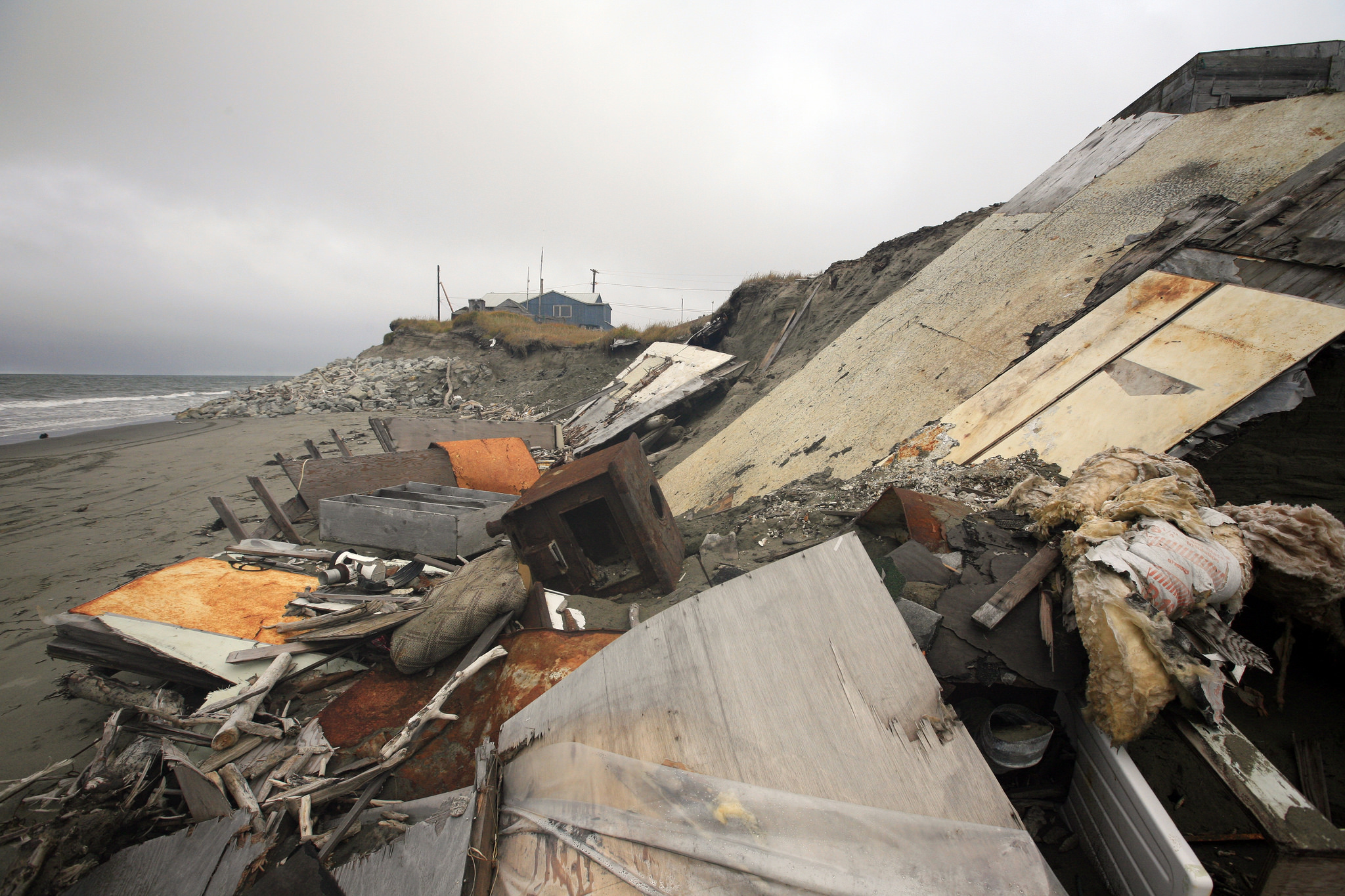
Miyuki Hino is a doctoral student at Stanford University specialising in climate change risks and adaptation decisions.The towns of Grantham in Queensland in Australia and Oakwood Beach on the fringe of New York City probably have little in common. But in response to recent devastating floods, both made an unusual choice. Rather than restoring their town to its previous state, they decided to move out of harm’s way.Typically, we manage risks from extreme weather and eroding shorelines by building flood defences, reinforcing infrastructure and establishing building codes. However, a changing climate is increasing the likelihood that our existing systems will be overwhelmed at some point. Novel approaches to adapting to climate risks may prove necessary, preferable, or both.One such approach is managed retreat – in other words, deliberately getting out of the way. Managed retreat involves the strategic relocation of assets and people away from areas at risk, enabling restoration of those areas to their natural state.In our new study, just published in Nature Climate Change, my coauthors and I analysed 27 cases of managed retreat from 22 countries around the world. We estimate that, over the past three decades, around 1.3 million people have been relocated through managed retreat in response to natural hazards such as tropical storms, flooding, erosion, earthquakes and tsunamis.But this pales in comparison to how many people could be displaced by climate change this century, which means managed retreat is an option we might increasingly have to consider – at the same time as reducing future risk by cutting global greenhouse gas emissions.
§ Controversial and challenging
Hurricane KatrinaHurricane Patricia
§ Defining factors

§ Reconsidering retreat
inundate 70-190 million people by 2100Article information
Hino, M. et al. (2017) Managed retreat as a response to natural hazard risk, Nature Climate Change, doi:10.1038/nclimate3252