Guest post: Air passengers face a bumpier ride due to climate change
Dr Paul Williams is an associate professor and Royal Society University Research Fellow at the University of Reading, specialising in atmospheric science.Air passengers face various irritations when flying, from lost luggage to unappetising food. But one problem – turbulence – is not only unsettling for passengers but potentially dangerous too. What’s more, it is expected to worsen in future.Evidence is growing that air turbulence is becoming stronger and more frequent because of climate change. In a 2013 study, we found that the amount of significant “clear-air turbulence” over the North Atlantic in winter would generally increase as CO2 levels double.In our new study, published this week in Advances in Atmospheric Sciences, we refine these calculations to look at different severities of turbulence. We find that that the most severe – the kind that can launch passengers out of their seats and cause serious injuries – is set to become twice or even three times as common by the latter half of the century.Despite the importance of this field of research for aircraft operations, our study is the first investigation into the future of severe turbulence, and it is the first time individual predictions have been made for all the different turbulence strengths.§ Why turbulence occurs
occurring in the lower atmospherefrom North America to the UK fasterround trips could take longer§ Increasing turbulence
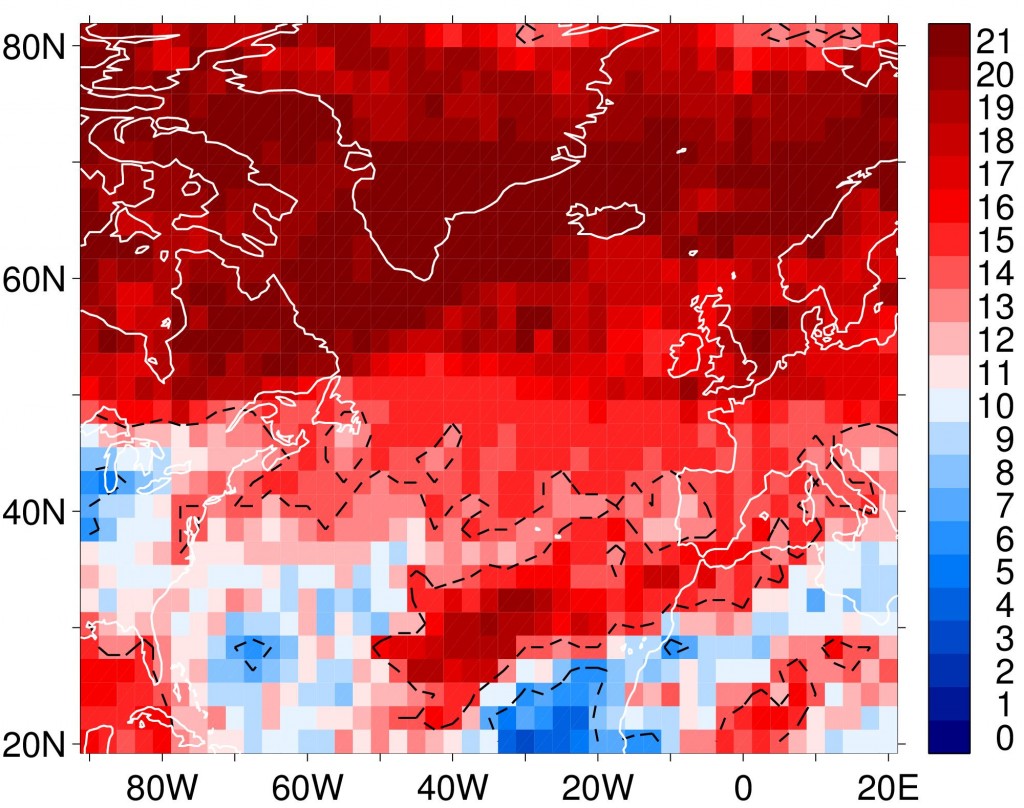
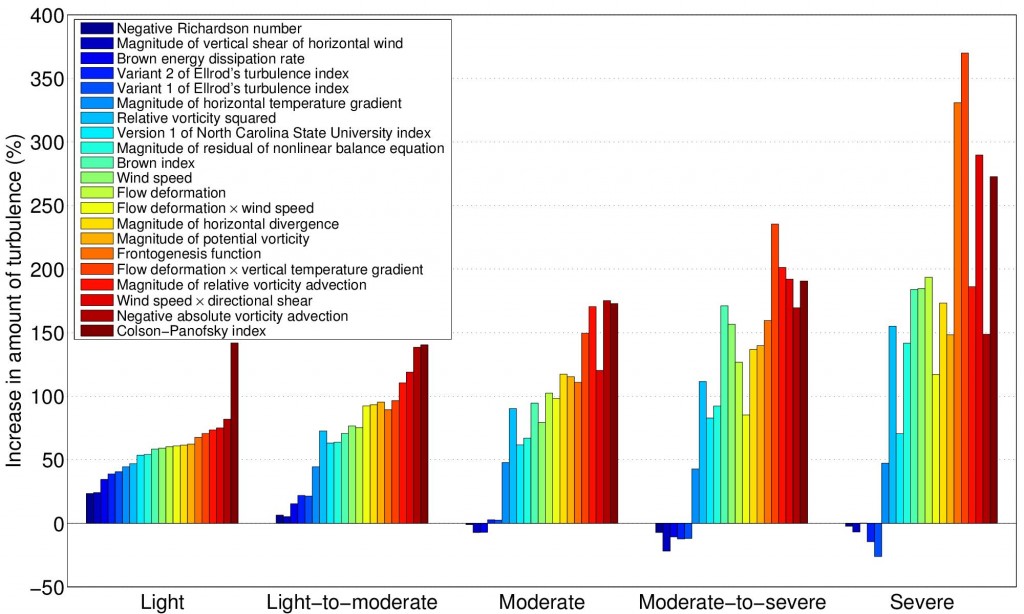
§ What impact could this have?
$150-$500 million a year§ What does the future hold?
the condensation trailssmall changes to flight pathsArticle information
Williams, P. D. (2017) Increased light, moderate, and severe clear-air turbulence in response to climate change, Advances in Atmospheric Sciences, doi:10.1007/s00376-017-6268-2.