El Niño shifts cholera burden onto East Africa
In 2015-16, one of the strongest El Niño events in recorded history played havoc with the world’s weather. Among its impacts, heavy rainfall brought flooding to much of East Africa, affecting millions of people.In the wake of the floods came a cholera epidemic, with outbreaks in Tanzania, Kenya, Somalia and Ethiopia. In Tanzania, for example, more than 24,000 people contracted the bacterial disease and 378 died.Now a new study, published in the Proceedings of the National Academy of Sciences, has mapped how El Niño affects outbreaks of cholera in Africa. The research suggests that El Niño events shift the risk of cholera towards East Africa, resulting in an average of 50,000 extra cases in the region during El Niño years.Knowing what impact El Niño has on the spread of disease means countries can be better prepared for events in the future, the researchers say.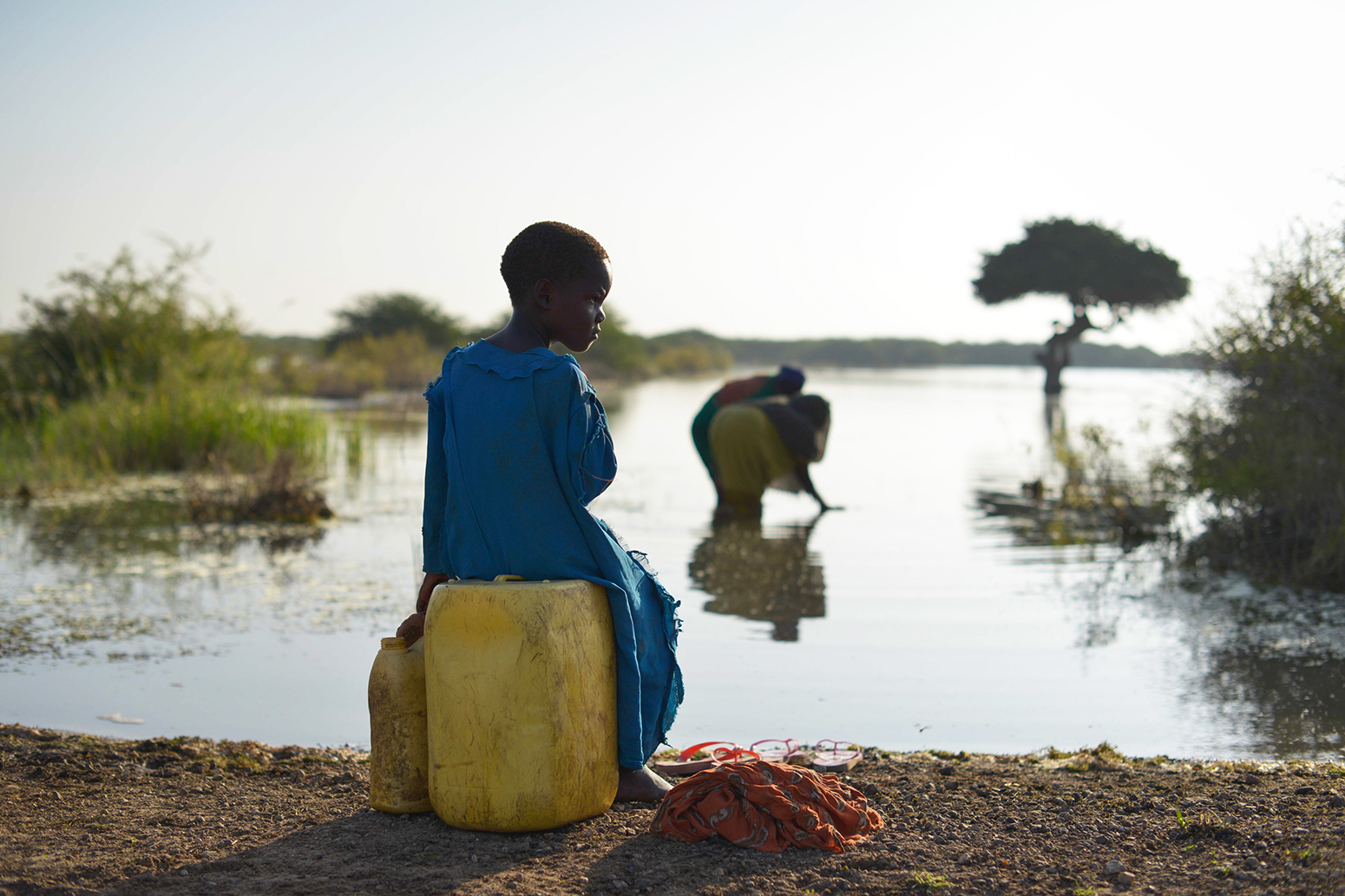
§ Rainfall shift
CholeraVibrio choleraeWorld Health Organisation estimatesResearchEl Niño eventsEl Niñoequatorial Pacificrainfall patterns worldwide
§ Shifting disease burden

“We suspect that increased rainfall in drier areas could be associated with increased cholera because the rainfall causes flooding or overrunning of sewer systems, which can contaminate drinking water.”
“In naturally wetter areas, increased rainfall may have a limited impact due to the higher volume of surface water in the region. Increased rainfall can also dilute [the concentration of cholera bacteria] in contaminated sources, reducing the cholera risk.”
§ Forecasting cholera risk
“Prevention efforts such as proactive vaccination campaigns could be organised in high risk areas. In addition, public health infrastructure, such as cholera treatment centres could be improved prior to the onset of the El Niño.”
recent research“If climate change leads to extreme El Niño events occurring more frequently, then we may see a shift towards more frequent cholera outbreaks in East Africa; although this relationship may be altered by other climate trends such as the significant drying in the Horn of Africa over the last several decades.”
Prof Mat CollinsUniversity of Exeter“I can see the potential for improving predictions on seasonal time scales, in which El Niño-Southern Oscillation forecasts are now quite accurate.”
Article information
Moore et al. (2017) El Niño and the shifting geography of cholera in Africa, Proceedings of the National Academy of Sciences, doi:10.1073/pnas.1617218114