Climate change could tarnish the flavour of cava, study suggests
Catalonia in northeastern Spain is famous for its cava – a sparkling wine which is produced in the same way as its French counterpart, champagne.But new research, published in the journal of Agricultural and Forest Meteorology, suggests that a changing climate could harm its rich, aromatic flavour.Key to cava’s unique taste is the blend of white grapes that are indigenous to Catalonia, such as Macabeo, a variety known for its freshness, and Paralleda, a grape that is said to be creamy and rich.Warmer, drier conditions could mean these grape varieties will ripen more quickly and be ready to harvest increasingly early in the year, the study finds, which could impair the flavour, aroma and overall quality of the wine.§ No cause for celebration

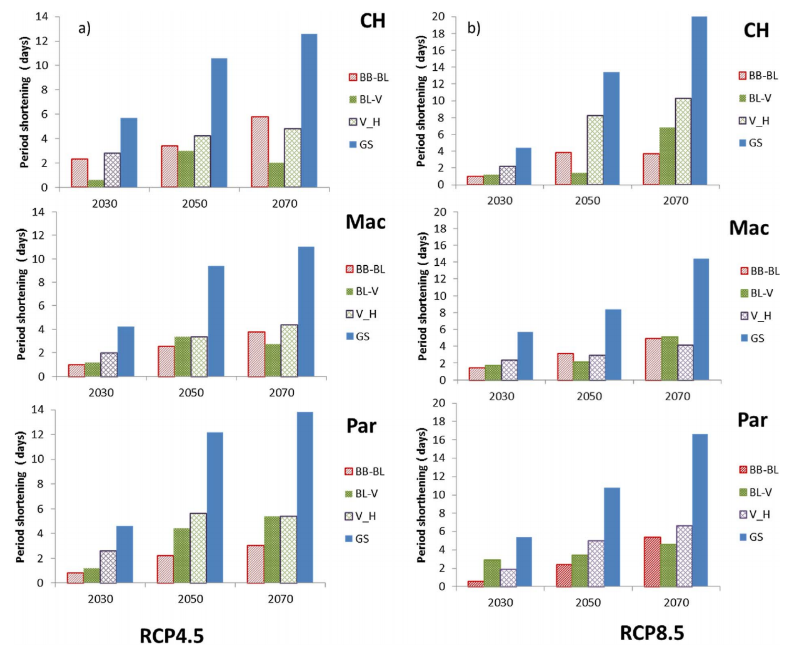
“Among the varieties analysed in this research, there was up to one month’s difference in the phenology [life cycle] timing, with Chardonnay being the one with the earliest response [shift in growing season timing] and Parellada with the latest. The phenology response depended on the cultivar [grape variety], and although the response may also depend on soil properties, the results give us an idea of potential changes.”
§ Fizzling flavours
acidic and sugaryresearch“Temperature is a less decisive factor concerning vintage quality than water deficit stress. The timing and intensity of water deficits influence the extent of alterations occurring in berry metabolism and therefore in wine colour and flavour.”
§ Bursting the bubble
Elizabeth WolkovichHarvard Universitypreviously published research“Measuring maturity is tricky – growers choose to harvest at different times depending on many things including the weather that year, the wine style and related preferences based on wine style and the winemaker. That means extrapolating from one set of data for one location and wine style to others is tricky.”
Article information
Ramos, M. C. (2017) Projection of phenology response to climate change in rainfed vineyards in north-east Spain, Agricultural and Forest Meteorology, doi:10.1016/j.agrformet.2017.07.022