Guest post: Don’t shift the goalposts of Paris Agreement’s temperature limits
Dr Carl-Friedrich Schleussner is head of climate science and impacts at Climate Analytics, Dr Joeri Rogelj is a research scholar at the International Institute for Applied Systems Analysis (IIASA) in Austria, and Dr Matthias Mengel is a postdoctoral scholar at the Potsdam Institute for Climate Impact Research.The adoption of the Paris Agreement started a lively debate among scientists about the interpretation of several of its elements.Of particular interest has been the long-term temperature goal of limiting warming to “well below” 2C or 1.5C above pre-industrial levels and the question of how progress against the goal should be tracked.As there are a number of different observed datasets for global temperature – as well as methods that use climate models – it means different studies can arrive at different assessments.But therein lies a problem. If studies use a different dataset or method from the one that underpins the Paris limits – established in the IPCC’s fifth assessment report (AR5) – they are potentially tracking something different from 1.5C or 2C.To provide consistent information for policymakers – and not inadvertently shift goal posts – new research needs to be linked to the science underlying the Paris Agreement.§ A blind spot in the scientific debate
climate sciencelong-term temperature goalrenewed focus on 1.5Ccarbon budgetsstudyDr Richard Millarmore than 15 yearsmost other estimates well-known differenceCarbon BriefRecent literature political targets based on risk assessmentsavoidEnvironmental Research Letters§ The Paris Agreement rooted in IPCC science
final Paris Agreement text“Holding the increase in the global average temperature to well below 2C above pre-industrial levels and pursuing efforts to limit the temperature increase to 1.5C above pre-industrial levels, recognising that this would significantly reduce the risks and impacts of climate change.” (emphasis added)
2013-2015 Review Structured Expert Dialogue the adoption of the Paris Agreement temperature goalHadCRUT4Reasons for Concern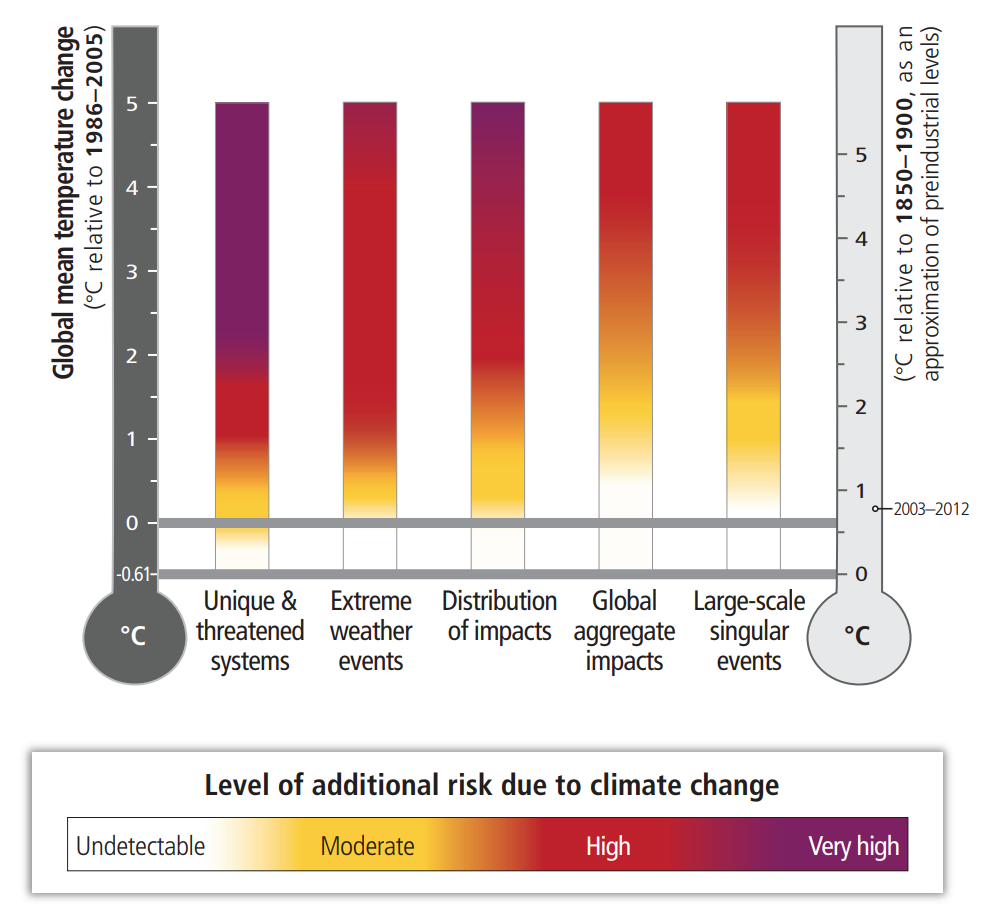
§ Moving goalposts and underestimating impacts
up to about 0.2Cdefinitions of the pre-industrial reference period coral reefs sea ice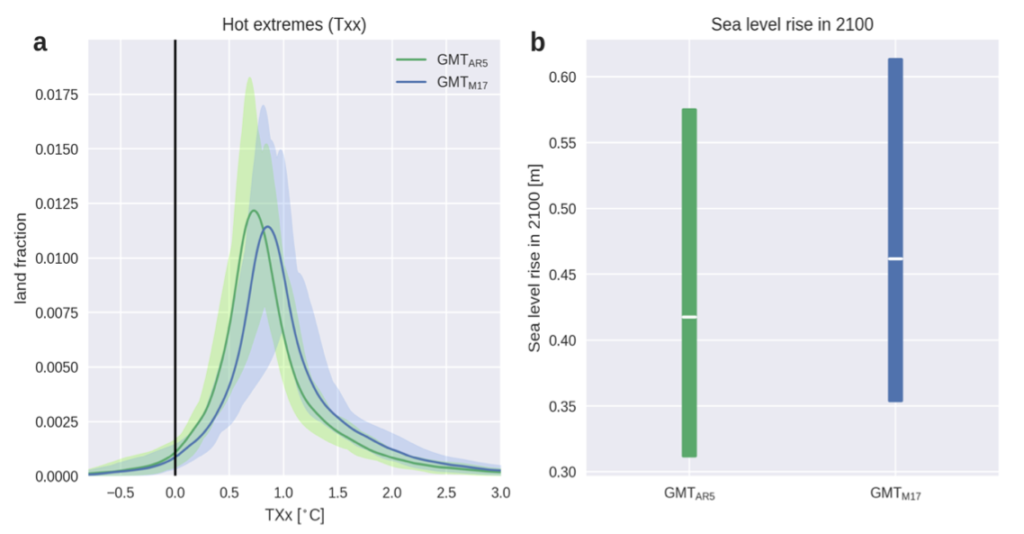
Article information
Pfleiderer, P. et al (2018) Global mean temperature indicators linked to warming levels avoiding climate risks, Environmental Research Letters, doi:10.1088/1748-9326/aac319