Guest post: How use of land in pursuit of 1.5C could impact biodiversity
Prof Pete Smith is professor of soils & global change at the University of Aberdeen and a coordinating lead author on the Intergovernmental Panel on Climate Change’s (IPCC) forthcoming special report on climate change and land. Since the global-warming limits of “well below 2C” and 1.5C above pre-industrial levels were enshrined in the Paris Agreement in 2015, there has been a flurry of new research assessing what the impacts of climate change could look like under each limit.For biodiversity, the benefits of holding warming to 1.5C rather than 2C are clear. At 2C, for example, models project that 23% of the world’s plants could lose more than half of their range of suitable climate. This drops to 7-13% under 1.5C.But there is another side to how climate change could affect biodiversity – through the land management decisions we take as part of efforts to reduce greenhouse gas (GHG) levels in the atmosphere.Given that agriculture and forestry together are responsible for 24% (pdf) of global GHG emissions, we know that the land is going to be important for meeting either the 2C or 1.5C goals.Not least because, as we pursue efforts to reach a 1.5C limit, it becomes increasingly likely that we will need to ramp up how much CO2 the land surface absorbs from the atmosphere. This means applying “negative emissions” techniques that often need substantial land and water when deployed at scale.So, what does the latest research suggest are the biggest risks to biodiversity?§ Land use
Royal Societypeatlandswetlandscoastal ecosystemsenhanced mineral weatheringbioenergy with carbon capture and storage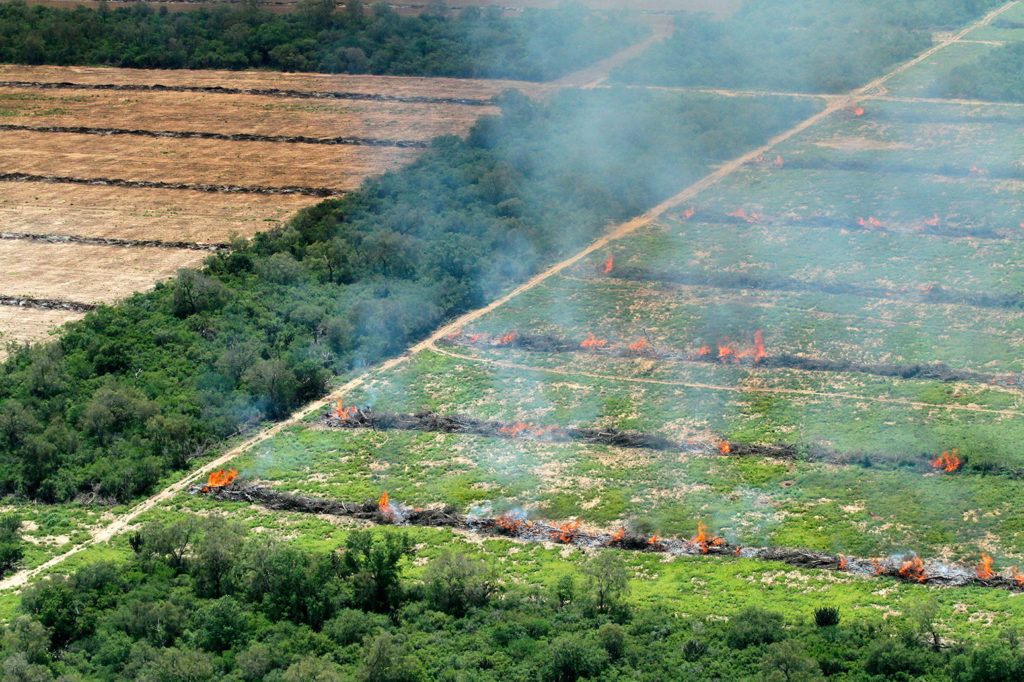
§ Planetary boundaries
firstDr Vera HeckPotsdam Institute for Climate Impact Researchplanetary boundaries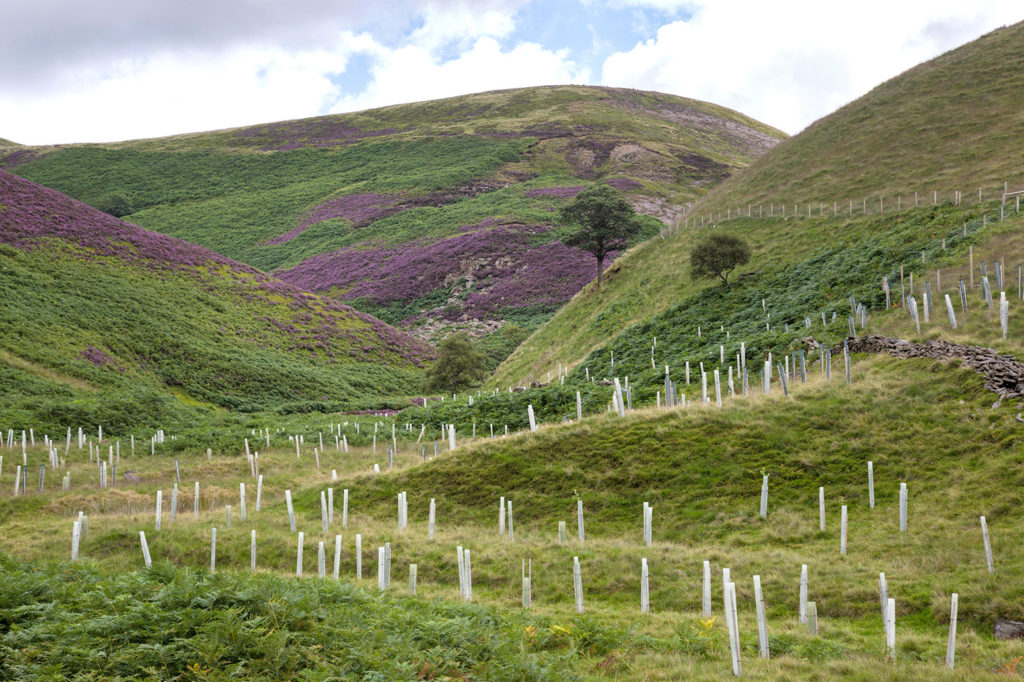
§ Learn by doing
Article information
Smith, P. et al. (2018) Impacts on terrestrial biodiversity of moving from a 2C to a 1.5C target, Phil. Trans. R. Soc. doi:10.1098/rsta.2016.0456