Guest post: Did bombing during second world war cool global temperatures?
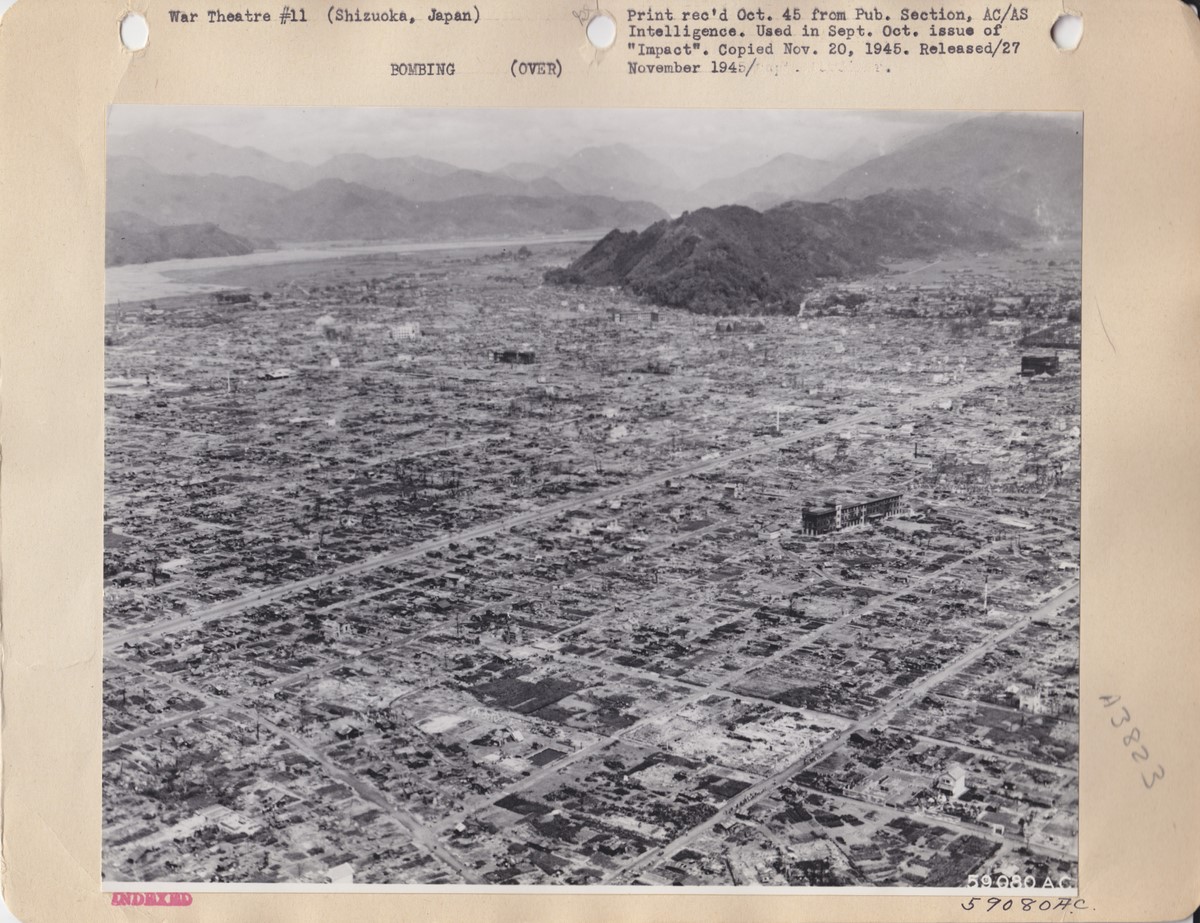
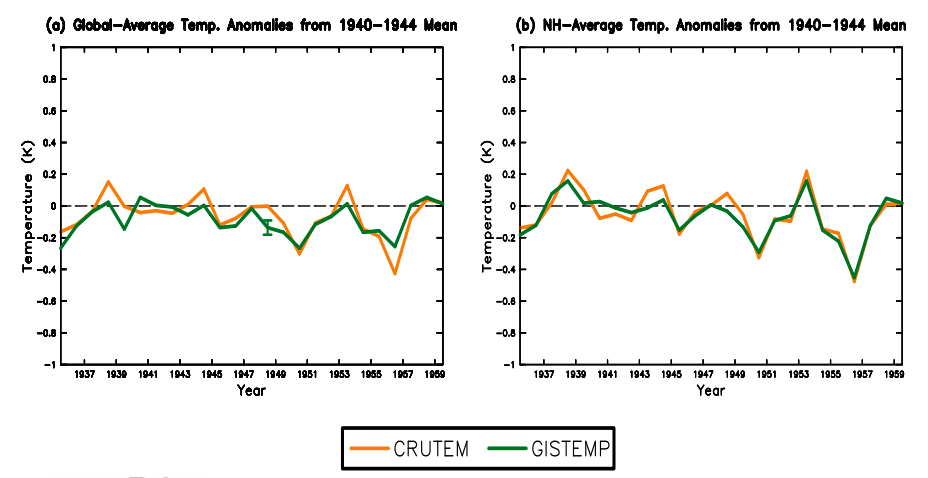
Prof Alan Robock is a distinguished professor of climate science in the Department of Environmental Sciences at Rutgers University in New Jersey, US.Between 3 February and 9 August 1945 during the second world war, an area of 461 square kilometres in 69 Japanese cities was burned by US bombing raids. This included the nuclear bombs dropped on the cities of Hiroshima and Nagasaki.The resulting fires saw plumes of thick, dark smoke rise high into the atmosphere. Much like the cloud and ash thrown into the air by volcanic eruptions, this soot had the potential to block out incoming sunlight, cooling the Earth’s surface.In a recent paper, published in Journal of Geophysical Research: Atmospheres, we investigate whether the smoke from these fires was enough to change global temperatures.§ Nuclear winter
wildfiresBritish Columbia in August 2017London in 1666Chicago in 1871San Francisco in 1906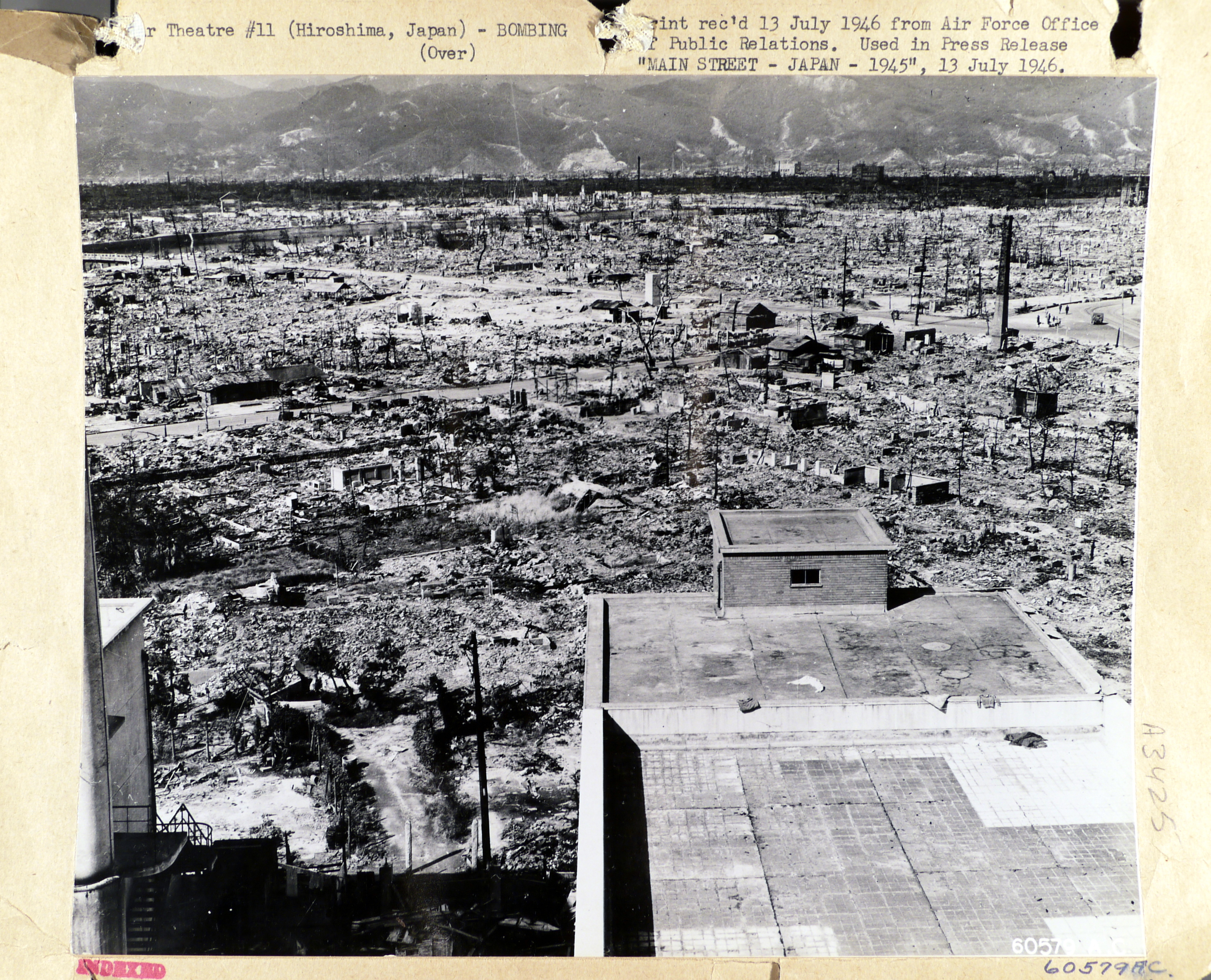
§ Temperature drop
§ Arsenal
1815 Tambora eruptionYear Without a Summer14,000 nuclear weaponsclimate modelproduce nuclear winterArticle information
Robock, A. and Zambri, B. (2018) Did smoke from city fires in World War II cause global cooling? Journal of Geophysical Research: Atmospheres, doi:10.1029/2018JD028922