The Carbon Brief Profile: Indonesia
In the sixth article of a series on how key emitters are responding to climate change, Carbon Brief looks at Indonesia’s efforts to curb deforestation and tame polluting peatland fires. [contentbox id=”29536″]Indonesia was the world’s fourth largest emitter of greenhouse gases in 2015. It is the 16th biggest economy and the largest in southeast Asia. Its emissions stem from deforestation and peatland megafires and, to a lesser extent, the burning of fossil fuels for energy.The country recently overtook Australia again to become the world’s largest exporter of thermal coal. It plans to substantially increase its domestic coal-powered generation – partially in a bid to help close the “electricity gap” between its wealthy and less-connected islands.The current government has pledged to cut emissions by 29-41% by 2030, compared to a “business as usual” scenario.The country is holding a general election this April and polls suggest a win for current president Joko Widodo.(Update 23/04/2019: Joko Widodo has declared victory in the presidential election after unofficial results from private pollsters suggested he had won around 55% of the popular vote. The official results will not be announced until 22 May.)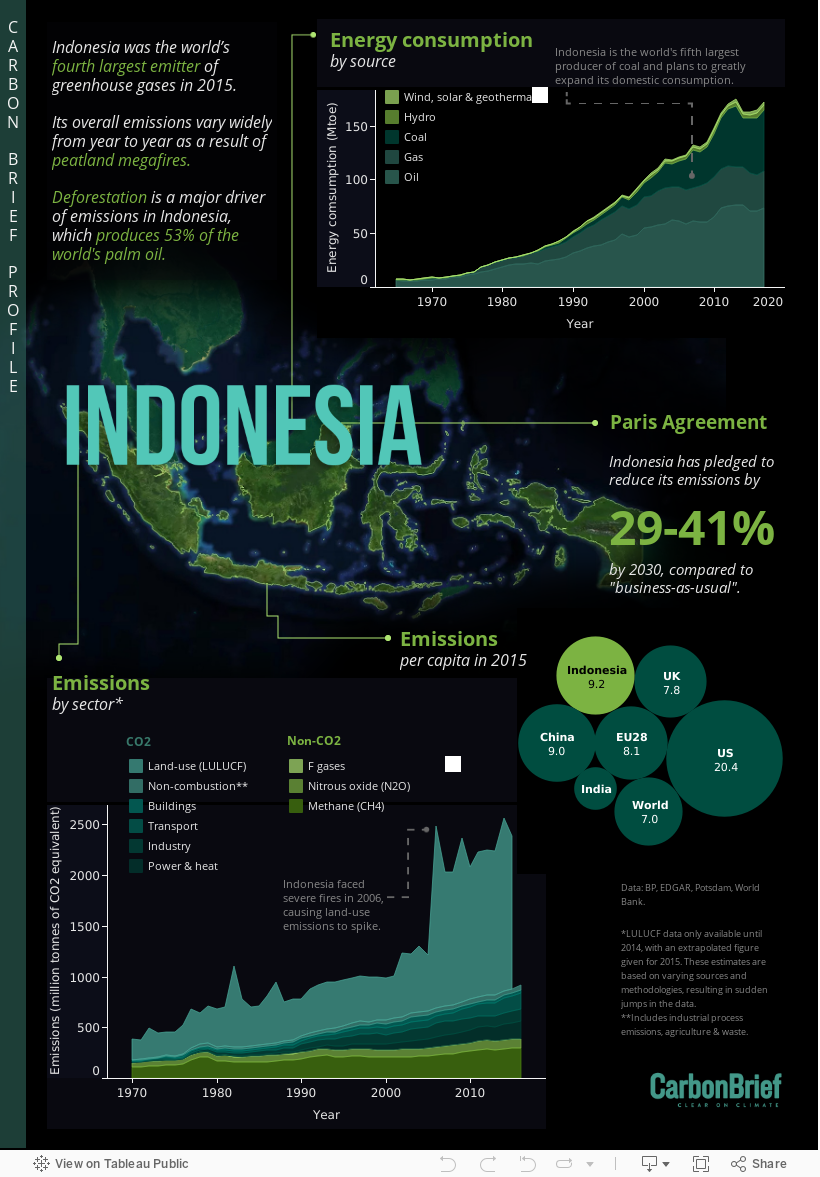
§ Politics
third largest democracyestimated 17,508300 local languages2004President Joko “Jokowi” Widodoleft-of-centrePDI-Pnine political partiesuntaintedEconomistcriticismboost economic growththe Jakarta PostNikkei Asian Reviewaccording to the IEAdecades-oldCharta PolitikaPrabowo Subianto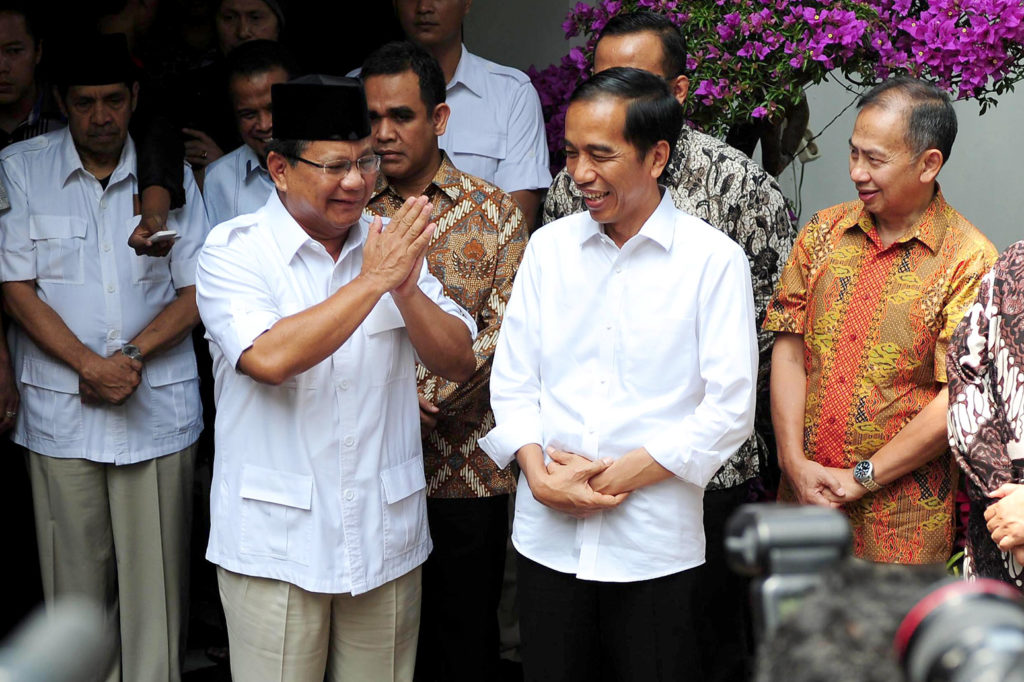
§ Paris pledge
Carbon BriefdataPIKLULUCFbiennial reportUNFCCC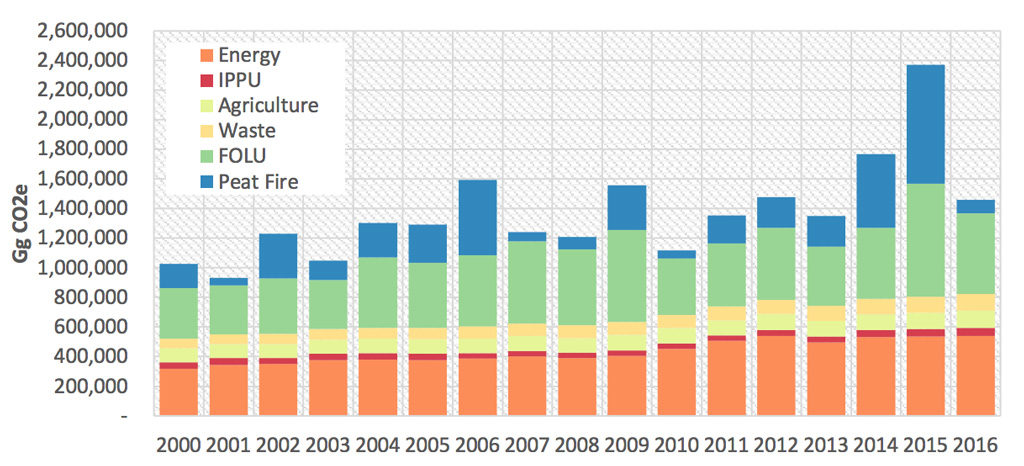
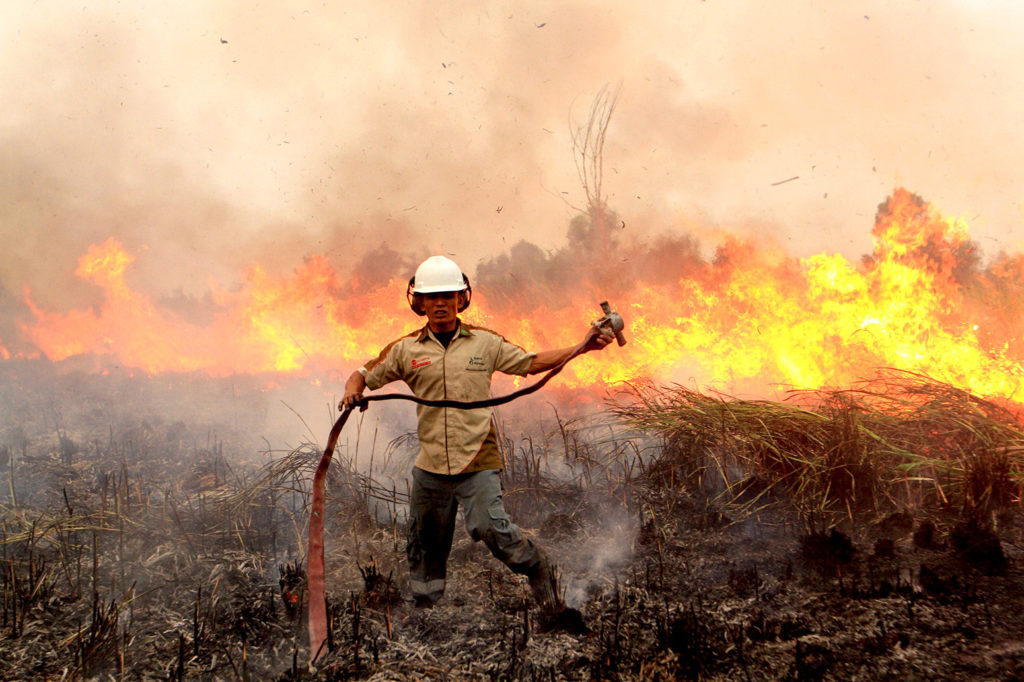
§ Deforestation, palm oil and fire
10%36%20 times28bn tonnesnearly three years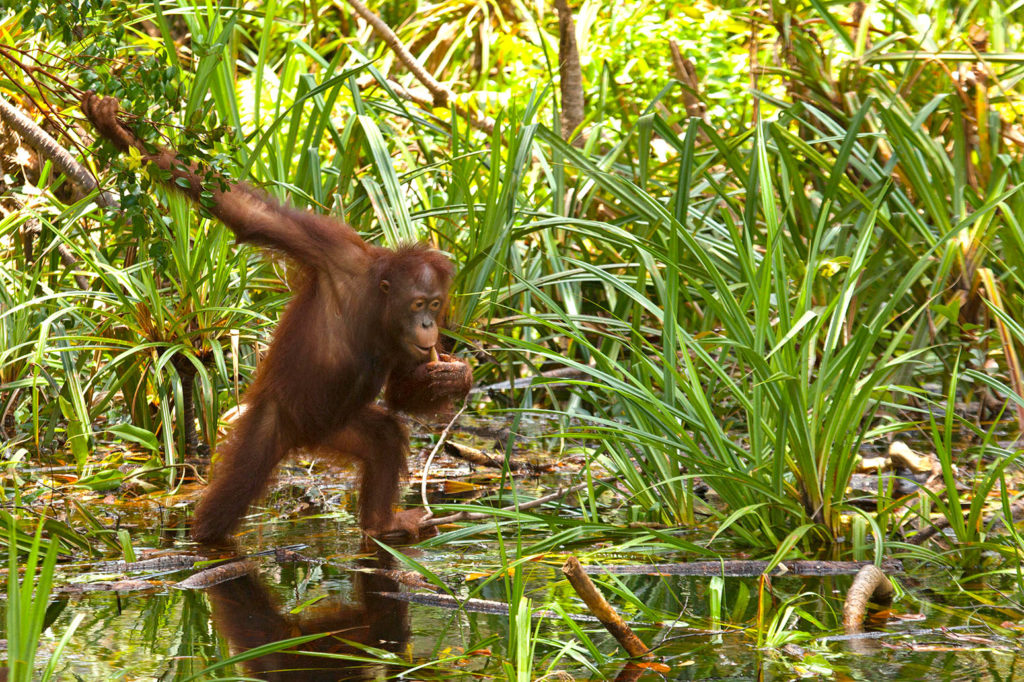
Image (note)
draining peatlandsspikedwere higherEl NiñoGuardian
Glossary
El Niño: Every five years or so, a change in the winds causes a shift to warmer than normal sea surface temperatures in the equatorial Pacific Ocean – known as El Niño. Together with its cooler counterpart, La Niña, this is known as the El Niño Southern Oscillation (ENSO) and is responsible for most of the fluctuations in temperature and rainfall patterns we see from one year to the next.
El Niño: Every five years or so, a change in the winds causes a shift to warmer than normal sea surface temperatures in the equatorial Pacific Ocean – known as El Niño. Together with… Read More
§ Coal
fifth largest producer of coalBP Statistical Review of World EnergyaccordingIEAanalysisIEAIEAcustomersGreenpeace§ Renewables
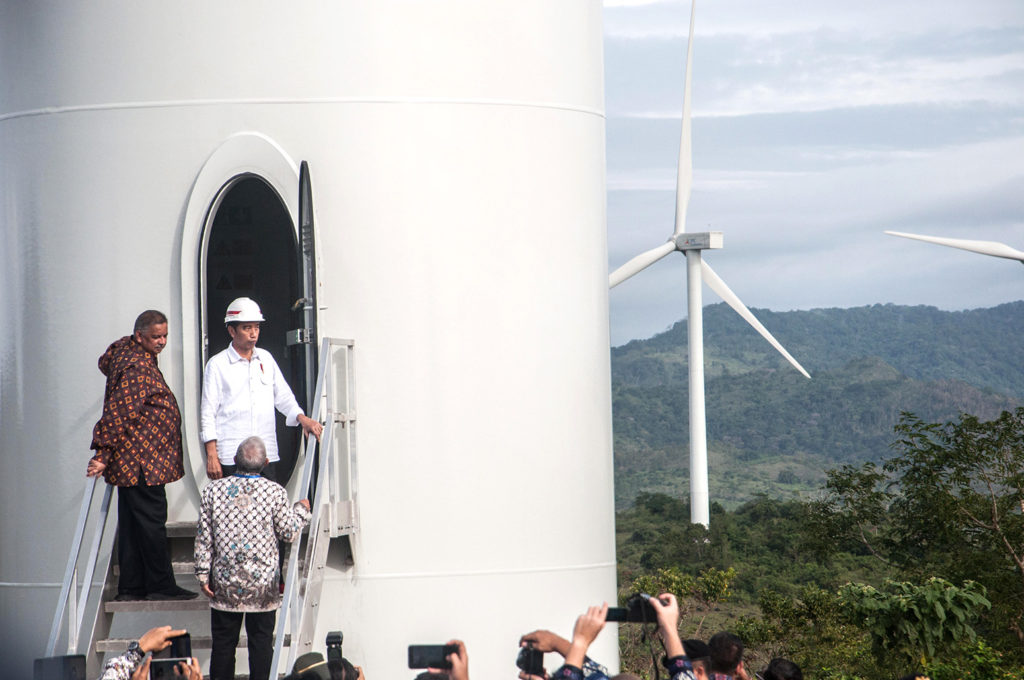
23%second largest producer1,925MW29,000MW40%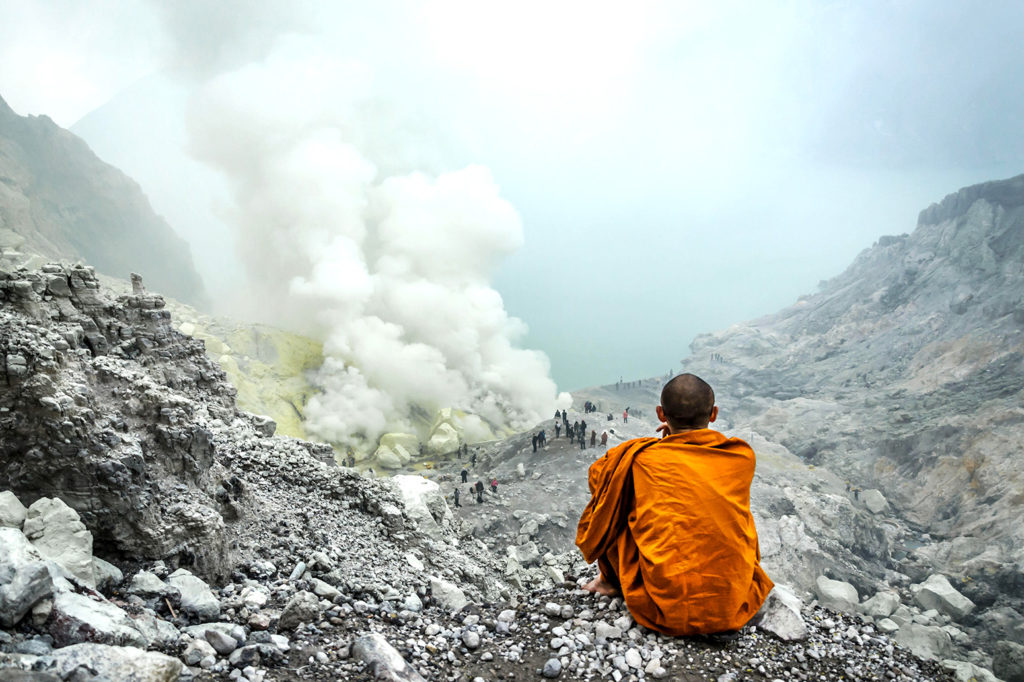
§ Climate laws
MPR resolutionpresidential decreeregulation23%RIKENenergy intensitynew initiative2005-2025green economypriority sectorsreport§ Climate finance
government documentrenewable energy targetemerging market economyreportAnalysisanalysisGCFCIF$150m project$18m§ Impacts and adaptation
42 million people405,000 hectaresdisappearfastest sinking cityillegal well digging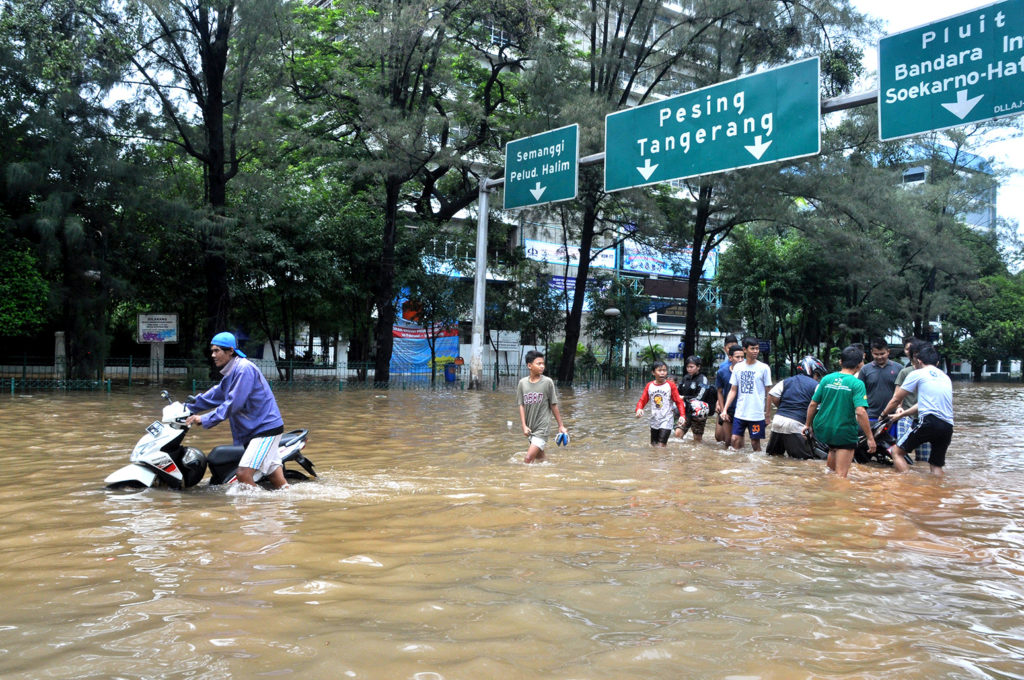
“As the largest archipelago nation in the world, Indonesia is one of the countries that are most vulnerable to climate change.”
Article information
Infographic by Tom Prater