Climate change is driving plankton towards the poles, study says
Communities of zooplankton – microscopic drifting animals that underpin marine ecosystems – are migrating poleward in response to climate change, a study finds.By comparing ancient sediment cores to modern-day plankton distribution data, the research concludes that zooplankton communities across the globe have shifted by an average of 602km since pre-industrial times.The findings, published in Nature, show that “marine ecosystems have entered the Anthropocene”, the lead author tells Carbon Brief.The global shift in zooplankton populations could have knock-on impacts for the marine life that feed on them, ranging from “fish to whales”, another scientist tells Carbon Brief.§ Drifters
phytoplanktonpre-industrial era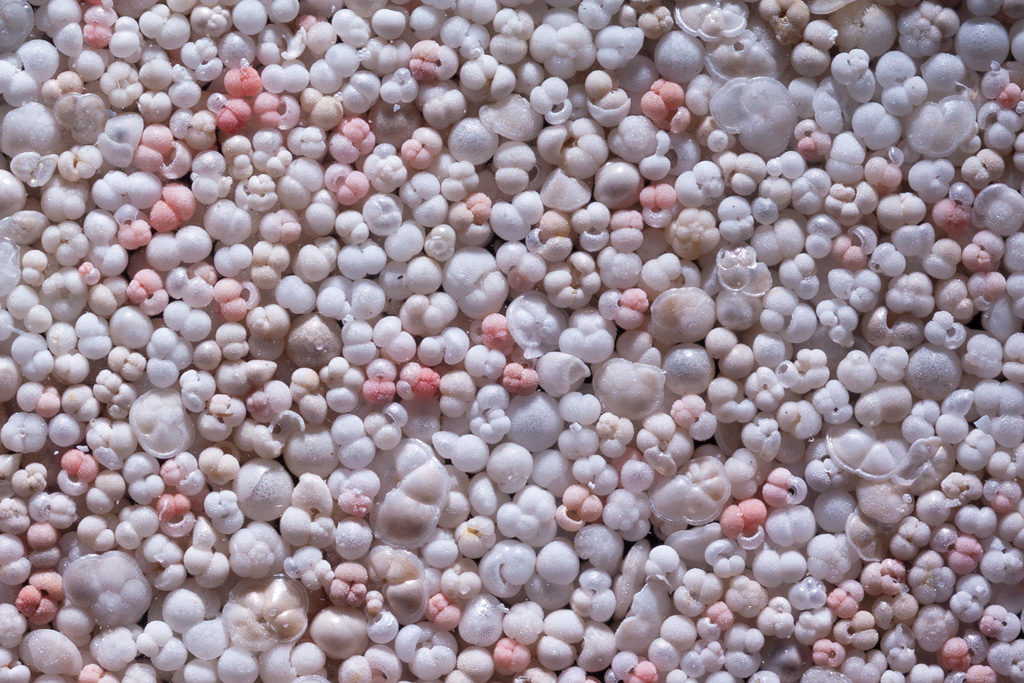
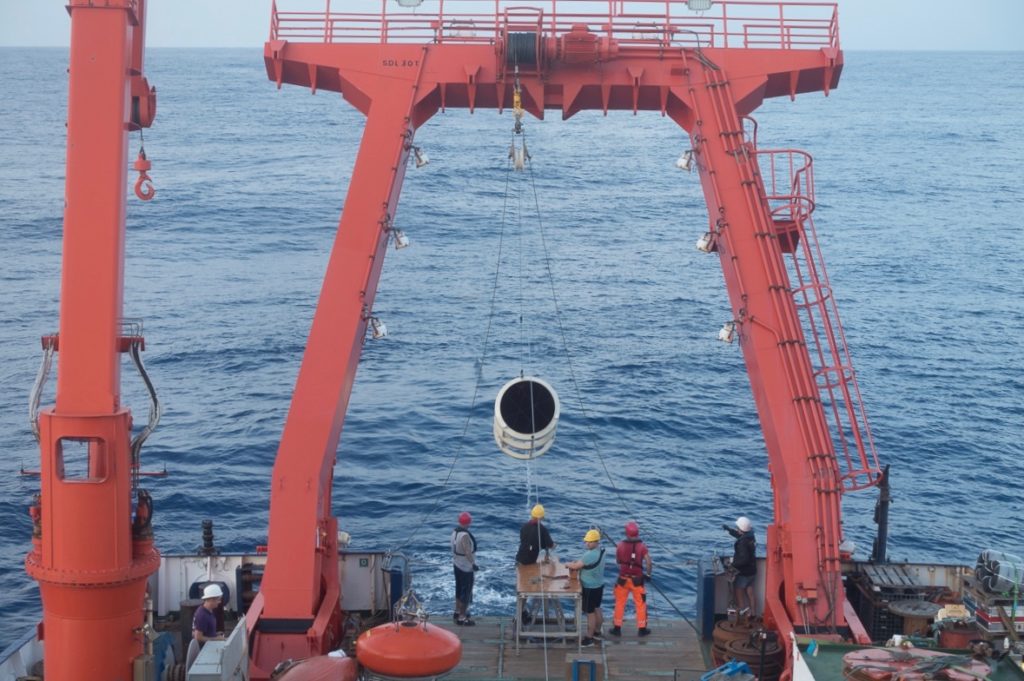
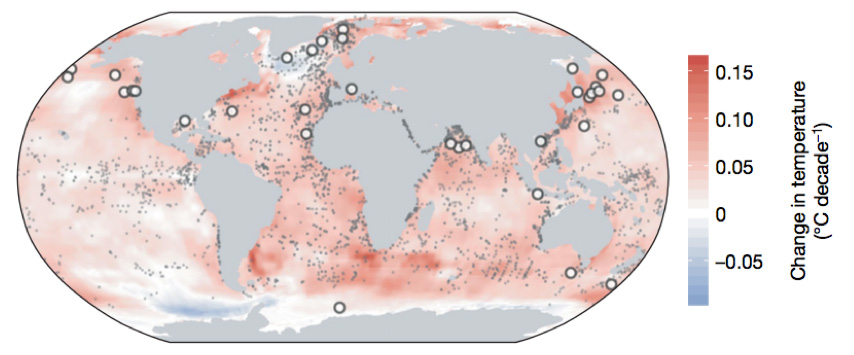
“To get an idea of the modern species communities, we used sediment traps. Sediment traps are big funnels – they’re about two metres high – and they are attached to the sea floor. They intercept everything that falls from the surface ocean so, in that sense, you get a very good picture of what should be below in the sediment.”
§ Shifting seafood
“This suggests planktonic foraminifera communities have changed considerably since the pre-industrial period and that they have done so to the magnitude of local temperature change.”
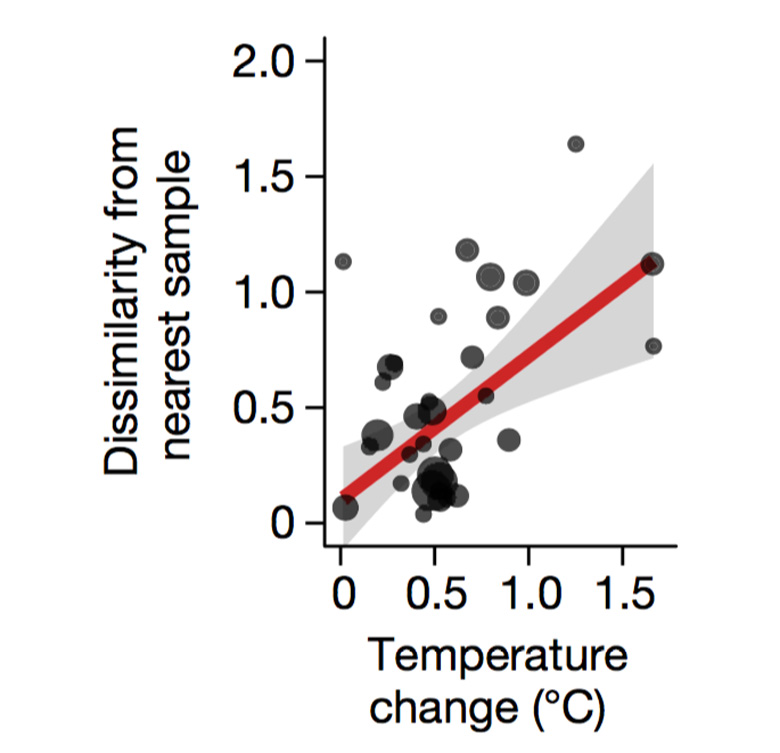
“We’re not seeing new species or new species compositions, we’re just seeing that the same species have moved with temperature change. In most cases, this is caused by warming – because almost everywhere in the ocean is warming. But in some cases, the ocean is cooling – then we see a shift towards colder communities.”
natural changes§ New era
“We think that these findings are indicative of what is happening in marine ecosystems. If you take that assumption, it means that most species have moved their distribution.”
“Conditions may be different. For example, if you move north, you will face a longer summer season, so the light conditions may be different. All ecological networks will need to be reestablished, and we don’t know if all the species can do so and if they can do so quick enough.”
Anthropocene“Marine ecosystems have entered the Anthropocene. The changes that we are seeing are now big enough that we can say that these communities are different than before human influence.”
Dr Todd O’BrienNOAA“In some ocean regions, we are seeing that some fish – and even whales – are also shifting further north, perhaps following their food or trying to stay in their preferred water temperatures, or a mixture of both.”
Article information
Jonkers, L. et al. (2019) Global change drives modern plankton communities away from the pre-industrial state, Nature, https://www.nature.com/articles/s41586-019-1230-3